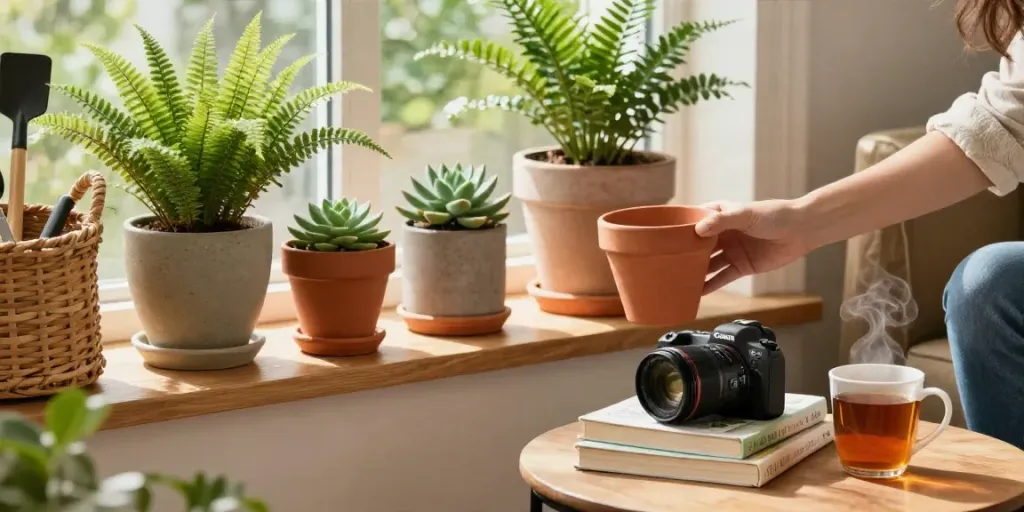
The Growing Demand for Plant Pots in 2026
As urban living continues to evolve, the demand for plant pots is experiencing a significant uptick. By 2026, the trend of incorporating greenery into urban environments is expected to grow, with more individuals looking to enhance their living spaces with plants. This shift is not merely aesthetic; it’s tied to a deeper desire for a connection with nature, improved air quality, and mental wellness. For those looking to elevate their home décor with plants, knowing where to buy plant pots that meet their stylistic and functional needs becomes essential.
Understanding the Urban Gardening Trend
The urban gardening trend is surging as more city dwellers recognize the benefits of cultivating plants in limited spaces. From balcony gardens to indoor herb pots, urbanites are creatively leveraging available space, making plant pots not just functional vessels, but also integral parts of home aesthetics. This movement is supported by social media platforms where urban gardening enthusiasts share their experiences, inspiring others to embrace the green lifestyle.
Why More People Choose to Buy Plant Pots
Several factors contribute to the rising trend of purchasing plant pots. First and foremost is the growing awareness of environmental sustainability. As people become more conscious of their ecological footprints, opting for plants becomes a means to contribute positively to the environment. Moreover, the psychological benefits of plant ownership, such as reduced stress and enhanced mood, are increasingly recognized, leading many to seek plant pots for their homes and offices.
The Impact of Sustainable Gardening Practices
Sustainability is at the heart of modern gardening practices, influencing both how plants are grown and what types of pots are used. Consumers are now prioritizing biodegradable materials and sustainable sourcing when selecting plant pots. This shift represents a significant change in consumer behavior, prompting manufacturers to innovate and provide products that align with these values.
Types of Plant Pots You Should Consider
Comparing Materials: Ceramic, Plastic, and Biodegradable Options
When choosing plant pots, the material is a fundamental consideration that affects durability, aesthetics, and environmental impact. Ceramic pots, known for their beauty and breathability, are favored for indoor use. Plastic pots, while often less attractive, are lightweight and affordable, making them ideal for outdoor gardens. Biodegradable options are becoming increasingly popular, offering an eco-friendly alternative that decomposes naturally over time.
The Best Sizes for Indoor and Outdoor Plants
Size matters when it comes to plant pots. For indoor plants, smaller pots (4-10 inches in diameter) are generally preferred, accommodating the limited scale of home environments. In contrast, outdoor plants benefit from larger pots to support their root systems, with sizes ranging from 12 inches and above. Understanding the size requirements of plants is crucial for optimal growth and health.
Decorative vs. Functional: Finding the Right Balance
Finding the balance between decorative appeal and functionality is essential in selecting plant pots. While aesthetic value enhances the overall décor, the pot's functionality—such as drainage, size, and material—determines a plant's health. Therefore, when shopping, it’s important to consider how the pot will complement the space while serving its primary role efficiently.
Where to Buy Plant Pots: Top Retailers and Online Options
Local Nurseries vs. Online Stores; What’s Best?
When considering where to buy plant pots, both local nurseries and online stores present unique advantages. Local nurseries provide a tactile shopping experience, allowing customers to see and feel the pots before purchasing. In contrast, online stores often offer a wider selection and the convenience of home delivery. Thus, the choice depends on personal preference and specific needs.
How to Identify Quality Plant Pots
Not all plant pots are created equal. Quality can be determined by examining material durability, drainage features, and construction. Look for pots that are thick-walled and have adequate drainage holes, as these attributes ensure a longer lifespan and better plant health. Reading customer reviews can also provide insight into the quality and performance of a specific pot.
Price Ranges and Budgeting for Your Plant Collection
Plant pot prices can vary significantly based on material, size, and design. It’s important to set a budget that accommodates both aesthetics and functionality. While some may choose to invest in premium ceramic pots for their visual appeal, others may opt for economical plastic options for larger outdoor collections. Effective budgeting can help enthusiasts expand their plant collection without overspending.
Designing Your Space with Plant Pots
Creating a Cohesive Aesthetic in Your Home
Integrating plant pots into your home décor can create a harmonious look. Choosing pots that complement the existing color scheme and style of your home can enhance the overall ambiance. For instance, a modern minimalist home may benefit from sleek, monochromatic pots, while a bohemian space may be better suited to colorful, patterned options.
Incorporating Plant Pots into Your Outdoor Spaces
Outdoor areas can be transformed through the strategic use of plant pots. Grouping pots of varying heights can add visual interest, while strategically placing them along walkways or patios can create inviting spaces. Utilizing matching pots for a cohesive look or contrasting styles for a more dynamic appearance can reflect personal style.
Using Plant Pots to Define Areas within Your Space
Plant pots can serve a functional purpose beyond housing plants; they can also define spaces within both indoor and outdoor environments. Using larger pots as separators between different areas can create a sense of privacy and structure in open spaces. This approach not only enhances functionality but also introduces greenery in unexpected ways.
Future Trends in Plant Pot Design and Functionality
Innovative Features in Modern Plant Pots
The future of plant pot design holds exciting innovations, including self-watering systems and integrated smart technology. These advancements aim to simplify plant care while catering to the growing demand for convenience among urban gardeners. Furthermore, pots that monitor moisture levels and notify users when to water will become increasingly popular.
Predictions for Eco-Friendly Materials
As environmental concerns continue to rise, the demand for eco-friendly materials in plant pot manufacturing will likely increase. Innovations in materials, such as recycled plastics and renewable resources, will play a significant role in this evolution, offering consumers sustainable options that align with their values without sacrificing quality.
Embracing Smart Gardening Technologies
Smart gardening technologies are set to revolutionize the way we care for our plants. From automated watering systems to apps that provide care reminders and tips, the integration of technology in gardening practices will empower even the busiest individuals to maintain thriving plant collections. As these technologies advance, they will become staples in the homes of plant enthusiasts.
Where is the best place to buy plant pots?
When searching for the best place to buy plant pots, consider local options like garden centers for personalized shopping experiences or explore online retailers for expanded selections. The best choice often depends on the specific needs and preferences of the buyer.
What pot sizes are ideal for indoor plants?
Typically, pot sizes of 6 to 12 inches in diameter are ideal for indoor plants, depending on the type and size of the plant being housed. It’s essential to consider the specific growth requirements of each plant to ensure optimal health.
How can I create a beautiful indoor garden?
Creating a beautiful indoor garden involves selecting the right plants, pots, and arrangement styles. Mixing various heights and textures, along with proper lighting, can make a striking visual impact. Regular maintenance and choosing pots that match your decor will help sustain the garden's appeal.
What are the benefits of self-watering pots?
Self-watering pots provide a consistent moisture level, reducing the risk of over or under-watering. This feature is particularly beneficial for busy individuals or those who may forget to water regularly, thereby promoting healthier plant growth and minimizing maintenance efforts.
Which plant pot materials are most durable?
Materials such as ceramic and fiberglass are known for their durability, whereas plastic can vary significantly in quality. Choosing high-quality pots can ensure longevity and better performance, especially for outdoor applications where pots face the elements.