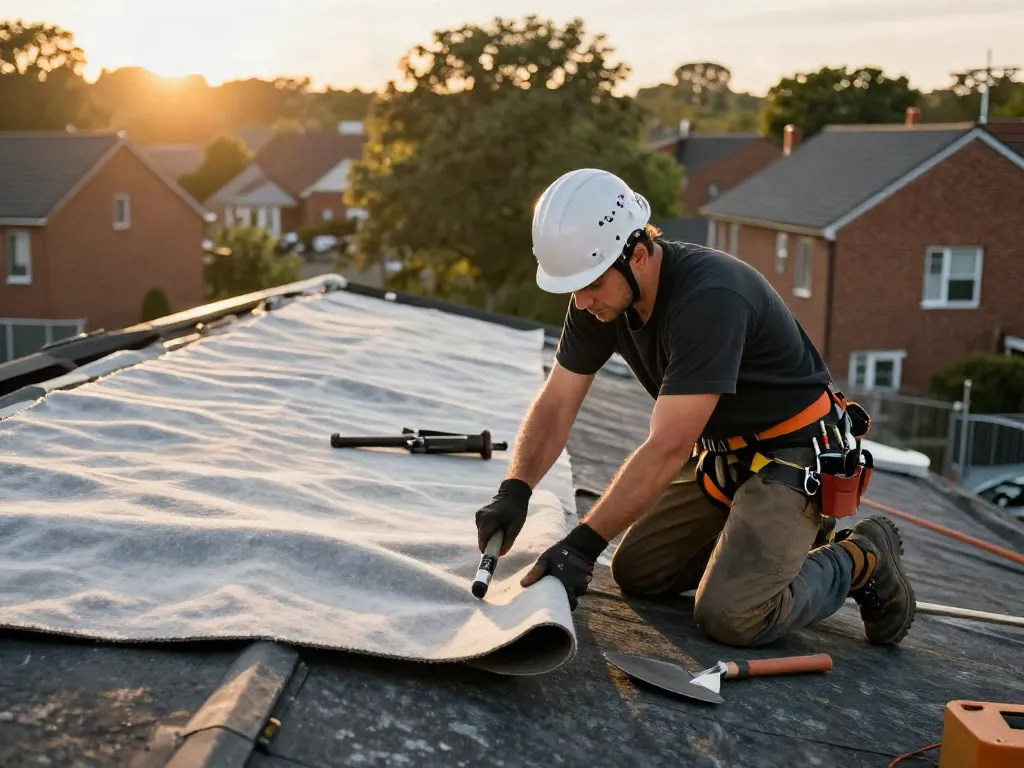
Understanding Felt Roofing: The Basics
Felt roofing is a popular choice for homeowners looking for an effective and economical solution for flat roofs. It offers a versatile approach to roof insulation and protection against the elements, making it suitable for various structures, including garages, extensions, and porches. When exploring options, felt roof installations provide comprehensive insights into the types of materials available and their respective performance. Understanding the fundamentals of felt roofing is crucial for making informed decisions about your roofing needs.
What is a Felt Roof?
A felt roof is a type of flat roofing system primarily constructed from bitumen, which is often layered to create a waterproof barrier. Traditional felt roofs feature one or more layers of tar paper or roofing felt alongside bitumen, which can be heated or cold-applied to ensure strong adhesion. The result is a durable surface that protects against rain, wind, and UV rays, ensuring a long-lasting performance.
Common Types of Felt Roofing Systems
There are several types of felt roofing systems to consider:
- Bitumen Felt: Made from a base of natural or synthetic fibers saturated with bitumen, this type is beneficial for its affordability and ease of installation.
- Torch-On Felt: This method involves heating the underside of the felt, which allows it to bond seamlessly to the roofing surface, creating a durable and waterproof layer.
- Cold-Application Felt: Using adhesive instead of heat, this option is ideal for DIY projects, eliminating the risk associated with flame use.
Advantages and Disadvantages of Felt Roofing
Felt roofing systems offer a range of benefits:
- Cost-Effective: Generally, felt roofing materials are less expensive than other roofing options, making it a popular choice for budget-conscious homeowners.
- Easy Installation: The installation process is relatively straightforward, allowing for quick roof replacements or repairs.
- Versatility: Felt roofing can be applied to various structures, from garages to residential buildings.
However, felt roofing also has its drawbacks:
- Durability: Although modern felt roofs are designed to last, they may still be less durable than some alternatives like metal roofing.
- Susceptibility to Damage: Felt roofs can be prone to blistering and tearing if not installed properly or if the underlying structure is compromised.
Choosing the Right Roofing Specialist
Selecting a qualified roofing specialist is essential for the successful installation or repair of your felt roof. The quality of workmanship directly impacts the longevity and performance of your roofing system, making this decision critical for homeowners.
Identifying Qualified Felt Roofing Contractors
To ensure you hire a qualified contractor, consider the following criteria:
- Experience: Look for contractors with a proven track record in felt roofing installations.
- Certifications: Verify whether the contractor holds relevant certifications and is insured to undertake roofing projects.
- References: Ask for references from previous clients to gauge their satisfaction and the quality of work completed.
Importance of Insurance and References
Ensuring that your roofing contractor has adequate insurance coverage is essential. This protects you from potential liabilities arising from accidents that may occur during the roofing process. Additionally, references play a vital role in verifying the reliability and expertise of a contractor.
Questions to Ask Potential Roofers
When interviewing potential roofers, ask the following questions to better assess their suitability:
- What is your experience with felt roofing?
- Can you provide a written estimate, including materials and labor costs?
- What warranties do you offer on your work?
- How do you handle unexpected issues during the project?
Installation Process of Felt Roofing
The installation of a felt roof involves several critical steps to ensure a successful outcome. By understanding this process, homeowners can better appreciate the work that goes into creating a reliable roofing solution.
Step-by-Step Guide to Installing a Felt Roof
- Preparation: Ensure that the roof surface is clean and dry, removing old roofing materials if necessary.
- Insulation: If applicable, install insulation boards to improve energy efficiency.
- Laying the Felt: Begin by laying the first sheet of felt, ensuring it overlaps the edges and is firmly secured.
- Sealing: Use appropriate adhesive or heat to bond the felt layers together, ensuring that seams are properly sealed.
- Finishing Touches: Install edges and flashing to protect against water ingress.
Tools and Materials Needed for Installation
To install a felt roof correctly, you'll need the following tools and materials:
- Felt rolls
- Adhesive or torching equipment
- Utility knife
- Measuring tape
- Safety gear (gloves and goggles)
Common Mistakes to Avoid During Installation
To ensure a successful installation, avoid these common pitfalls:
- Inadequate surface preparation, leading to poor adhesion.
- Ignoring manufacturer guidelines, which may result in warranty issues.
- Neglecting to secure seams, increasing the risk of leaks.
Maintaining Your Felt Roof
Proper maintenance is essential to extend the lifespan of your felt roof and to prevent costly repairs in the future. Consider establishing a routine care regimen to keep your roof in optimal condition.
Routine Maintenance Practices for Longevity
Routine maintenance practices include:
- Regular inspections for signs of wear, such as blisters or tears.
- Clearing debris from the roof's surface and gutters to facilitate proper drainage.
- Applying a protective coating or sealant every few years to enhance waterproofing.
Signs Your Felt Roof Needs Repair
Be on the lookout for indications of damage, such as:
- Visible cracks or tears in the felt material.
- Pooling water, which may indicate poor drainage.
- Signs of water damage in the interior of your building.
Emergency Repairs: What to Do?
If you suspect a leak or see visible damage, take the following steps immediately:
- Identify the source of the leak and try to contain the area if safe to do so.
- Contact a qualified roofing contractor promptly to assess the situation and recommend repairs.
- Document the damage through photographs for insurance purposes.
Comparing Roofing Quotes: Making the Right Choice
When seeking quotes from various contractors, comparing them effectively can help you make an informed decision that aligns with your budget and needs.
How to Evaluate Multiple Roofing Quotes
To evaluate roofing quotes, consider the following aspects:
- Material costs and quality of materials proposed.
- Labor charges and the estimated timeline for completion.
- Warranty terms and conditions associated with the work.
Understanding the Cost Factors in Felt Roofing
Several factors influence the overall cost of a felt roof installation or repair:
- Roof size and complexity.
- Type of felt system used (e.g., torch-on, cold-applied).
- Geographical location and access to the site.
Negotiating with Contractors for Better Pricing
Don’t hesitate to negotiate with contractors to secure a better deal. Discuss alternative materials or timelines that may reduce costs while maintaining quality.
What to Expect: FAQs about Felt Roofing
Can Felt Roofs be Repaired?
Yes, felt roofs can often be repaired, depending on the extent of the damage. Small tears and blisters can be patched, but significant damage may necessitate a complete replacement.
How Long Does a Felt Roof Last?
With proper installation and maintenance, a felt roof can last between 10 to 20 years, depending on the quality of materials used and environmental conditions.
Is Felt Roofing Environmentally Friendly?
Felt roofing materials are generally not considered environmentally friendly, but some modern options incorporate recycled materials and are designed for easier disposal.
What Maintenance is Required for Felt Roofs?
Routine maintenance typically involves inspections twice a year, cleaning debris, checking for leaks, and applying protective coatings as needed.
Are There Alternatives to Felt Roofing?
Yes, there are several alternatives, including EPDM rubber, TPO (Thermoplastic Olefin), and PVC roofing, each with its unique benefits and drawbacks.