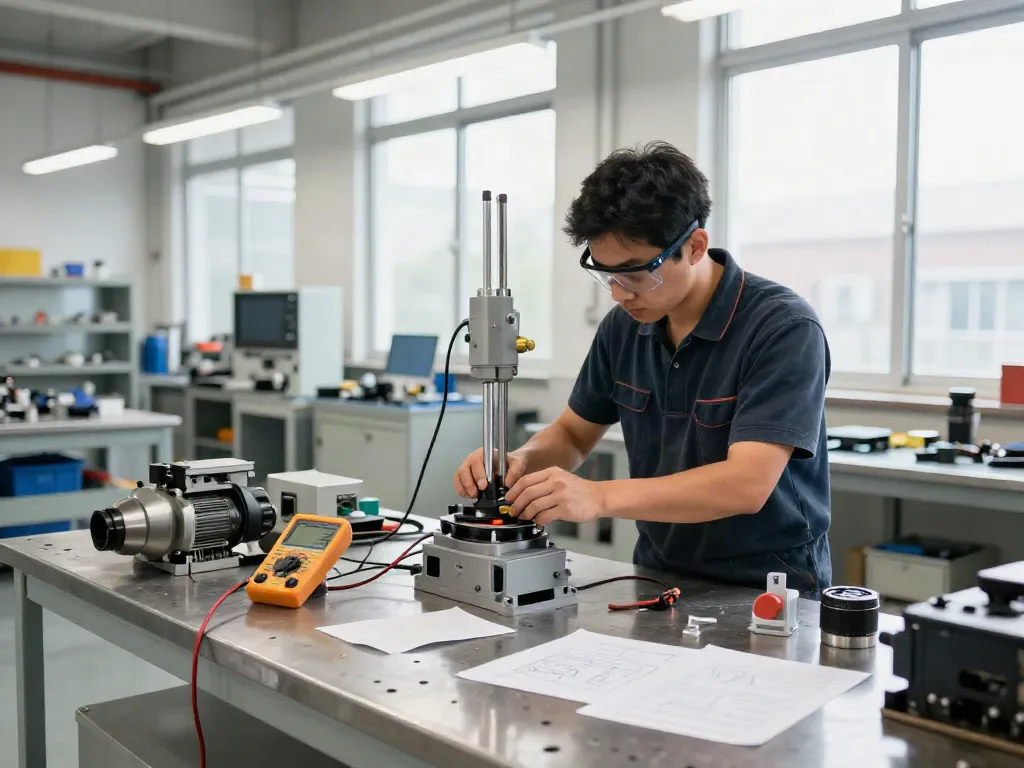
Understanding Mechanical Vacuum Switches
Mechanical vacuum switches are integral components in various industrial applications, designed to monitor and control vacuum levels efficiently. These switches provide precise and reliable operation, ensuring that machinery runs effectively under various conditions. For those exploring options for mechanical vacuum switch, it's essential to understand what they are and how they function within complex systems.
What is a Mechanical Vacuum Switch?
A mechanical vacuum switch is an electromechanical device that activates or deactivates based on the vacuum pressure levels in a system. Unlike electronic switches that rely on sensors and circuitry, mechanical vacuum switches use mechanical components to detect pressure changes and perform their switching functions. This simplicity often makes them more durable and less prone to failure in harsh environments.
Key Features of Mechanical Vacuum Switches
- Durability: Constructed from high-quality materials such as stainless steel, these switches can withstand rigorous industrial conditions.
- Set Point Accuracy: Mechanical vacuum switches are designed to provide reliable and repeatable accuracy, ensuring consistent operation.
- Simple Calibration: Many models come with external adjustment screws, allowing for easy field calibration without the need for specialized tools.
- Wide Applications: These switches can be used in various settings, including HVAC systems, hydraulic machinery, and industrial automation.
How Mechanical Vacuum Switches Work
Mechanical vacuum switches operate based on a diaphragm or bellows mechanism that senses changes in pressure. When a specific vacuum level is reached, the change in pressure causes the diaphragm to move, triggering a mechanical switch that opens or closes an electrical circuit. This action can control processes such as pumps and fans, enabling precise vacuum management.
Applications of Mechanical Vacuum Switches
Mechanical vacuum switches are used across different industries due to their reliability and versatility. Their robust design makes them ideal for demanding applications where precise control of vacuum levels is crucial.
Industrial Automation Uses
In industrial automation, mechanical vacuum switches help ensure consistent process control. They are essential in systems where maintaining specific vacuum levels is critical for operations, such as in packaging, food processing, and semiconductor manufacturing. Their ability to operate in hazardous environments makes them invaluable in industries where safety is paramount.
HVAC Systems and Mechanical Vacuum Switches
Within HVAC systems, mechanical vacuum switches are utilized to monitor pressure levels in refrigeration and air conditioning units. Maintaining the appropriate vacuum levels is crucial for system efficiency, energy consumption, and preventing equipment failure. These switches contribute to optimal performance by providing feedback for control systems to adjust as necessary.
Use in Hydraulic Systems
Mechanical vacuum switches play a crucial role in hydraulic systems by monitoring the vacuum pressures in hydraulic fluids. These switches ensure that sufficient vacuum is maintained to avoid cavitation and potential damage to pumps. By safeguarding the hydraulic system's integrity, they enhance overall reliability and efficiency.
Advantages of Mechanical Vacuum Switches
The choice to incorporate mechanical vacuum switches into industrial applications offers numerous benefits that can enhance system performance and reduce costs.
Cost-Effectiveness and Longevity
One of the most significant advantages of mechanical vacuum switches is their cost-effectiveness. Their durable construction means that they require less frequent replacement compared to electronic alternatives, leading to lower overall ownership costs. With a typical service life rated for millions of cycles, businesses can rely on these switches for extended periods without the need for costly maintenance or replacements.
Safety Features in Hazardous Environments
Mechanical vacuum switches are designed for inherently safe operations, making them suitable for use in hazardous areas. Many models come with fail-safe options, ensuring that even in the event of a malfunction, the system can revert to a safe state, protecting both equipment and personnel.
Easy Calibration and Installation Benefits
These switches are engineered for straightforward installation and calibration. The external adjustment screws facilitate quick setup without the need for specialized tools, allowing technicians to make adjustments easily in the field. This ease of use contributes to more efficient project timelines and reduced labor costs.
Choosing the Right Mechanical Vacuum Switch
Selecting the appropriate mechanical vacuum switch requires careful consideration of various factors to match the specific needs of an application effectively.
Factors to Consider When Selecting a Switch
- Pressure Range: Ensure the switch can handle the required vacuum pressure levels.
- Material Construction: Consider the environment where the switch will be used to select materials that resist corrosion, moisture, and dust.
- Electrical Rating: Verify that the switch's electrical specifications meet or exceed system requirements.
- Adjustability: Look for models that facilitate easy calibration to ensure precision in control.
Comparing Different Models
When comparing mechanical vacuum switches, it is essential to evaluate various models based on their specifications, features, and intended applications. Many manufacturers offer detailed datasheets that provide insights into performance parameters, enabling informed decisions.
Custom Solutions for Complex Needs
For applications with unique requirements, many companies provide custom solutions that cater to specific operational needs. Collaborating with manufacturers can lead to specially designed switches that optimize system performance and enhance safety.
Future Trends in Mechanical Vacuum Switch Technology
As technology advances, the design and functionality of mechanical vacuum switches are expected to evolve, bringing new capabilities to the forefront of industrial applications.
Innovations in Design and Functionality
Future mechanical vacuum switches may incorporate advanced materials and innovative designs that enhance performance under extreme conditions. These could include improved sealing technologies that prevent wear and tear, extending service life and reliability.
Integration with Smart Systems
With the increasing trend towards smart manufacturing and automation, mechanical vacuum switches are likely to integrate seamlessly with IoT systems. This integration can provide real-time monitoring and predictive maintenance capabilities, optimizing system performance and reducing downtime.
Predicted Market Developments by 2026
By 2026, the market for mechanical vacuum switches is expected to grow significantly, driven by advancements in industrial automation and a heightened focus on energy efficiency. Companies that embrace these technologies can stay ahead of the curve and maintain operational excellence in competitive environments.
What is a vacuum switch used for?
A vacuum switch is primarily used to monitor and control vacuum pressure in various applications, ensuring that systems operate within specified safe limits.
Is a vacuum switch the same as a pressure switch?
While both vacuum switches and pressure switches perform similar functions—monitoring pressure levels—they operate under different conditions. A pressure switch activates at positive pressure levels, whereas a vacuum switch responds to negative pressure levels.
What is an automatic vacuum switch?
An automatic vacuum switch operates without manual intervention, automatically activating or deactivating systems based on predetermined vacuum levels, enhancing efficiency and reliability.
Can you run a pellet stove without a vacuum switch?
Operating a pellet stove without a vacuum switch is not advisable, as the switch is crucial for maintaining safe and efficient operation by monitoring the pressure levels within the system.
What are the safety features of mechanical vacuum switches?
Safety features of mechanical vacuum switches may include fail-safe operations, robust construction to withstand harsh environments, and certifications for use in hazardous areas, ensuring they operate safely without compromising system integrity.